Keep track of a changing world
Represent objects, locations, and relationships, then update them as events unfold. This makes earlier actions relevant to the next decision.
A text-based world model represents an environment through language: what exists, where things are, what an agent can do, and what may happen next.
SerenAI is our research into this idea. We explore state transitions, constraints, and cause-and-effect reasoning so that a sequence of messages can describe a coherent, changing situation.
Read the SerenAI paper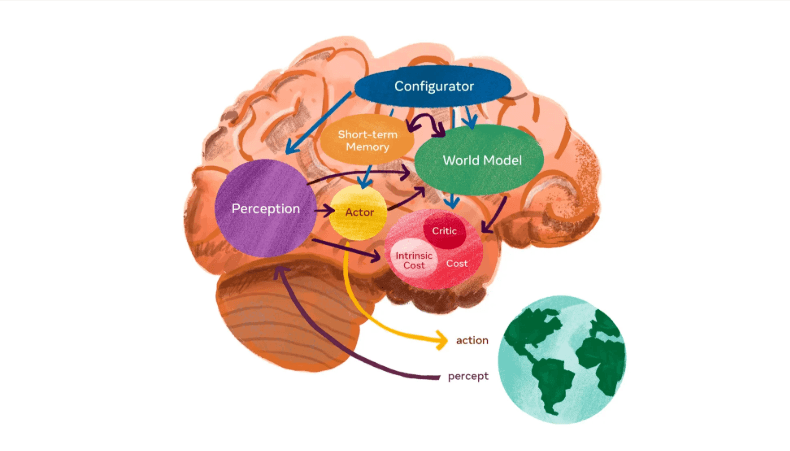
Represent objects, locations, and relationships, then update them as events unfold. This makes earlier actions relevant to the next decision.
Estimate how a described state could change after an action. Textual world-model research explores predicting these changes alongside the actions available in context.
Explore tasks with prerequisites and several steps. Text-based environments provide a way to study whether an agent can use observations to choose what to do next.
A simple warehouse scenario. Choose an action to see how the stated rule affects the next state.
Crate A is in Zone 1. The gate to Zone 2 is closed. A crate can pass only through an open gate.
Crate A remains in Zone 1. Moving it to Zone 2 is now possible as a separate next action.
These capabilities depend on the training and the environment represented. A predicted state is a hypothesis to evaluate, not a guarantee about the physical world.
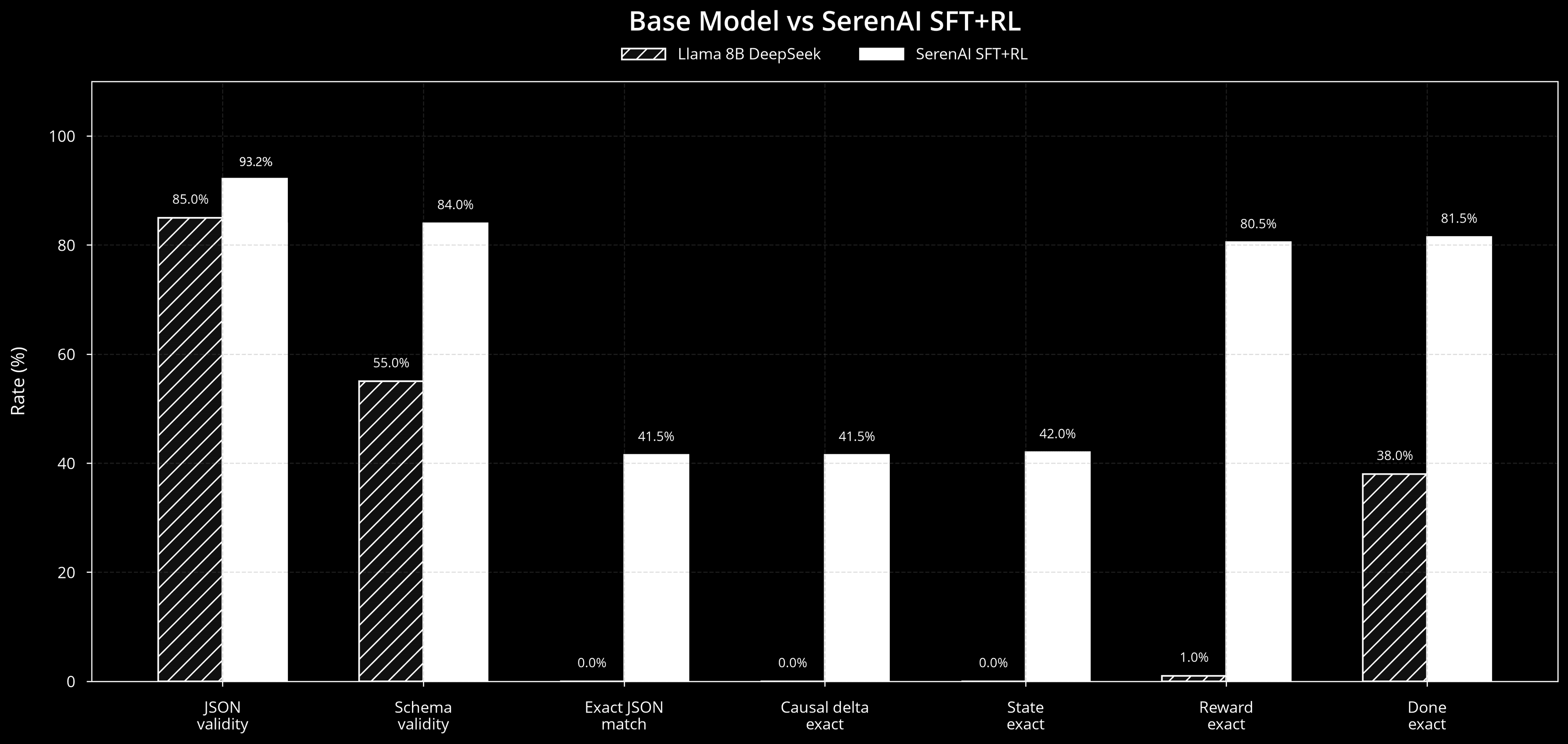
SerenAI v1 is evaluated against its base model to show how cause-and-effect training changes the model behavior in environment-aware text reasoning tasks.
Comparison
SerenAI vs Base Model
Model type
Text-based world AI model
Training signal
Cause-and-effect data
Primary skill
Environment and situation understanding
What should an intelligent system know before it acts? A fluent answer is only the beginning. Our interest is in systems whose predictions can be checked against a changing environment: what changed, what stayed the same, and whether an action brought a goal closer.
A useful starting point is a model with two inputs: a representation of the current situation and a possible action. Its prediction describes how the situation might change. Ha and Schmidhuber demonstrated this in 2018, including a controller trained in a learned VizDoom environment and transferred back to the original game. The model approximated that environment; it did not reproduce reality in full.
Ha & Schmidhuber · World Models · 2018What the system knows about the environment.
An intervention the agent could make.
A possible outcome to evaluate.
Dreamer separates a world model, an actor, and a critic. The model predicts potential outcomes, the critic estimates their value, and the actor learns which actions to take. Its 2025 Nature paper reports results across more than 150 tasks with fixed hyperparameters, including collecting diamonds in Minecraft without human demonstrations. These are results in the evaluated environments, not evidence that every real-world task is solved.
Hafner et al. · Dreamer · Nature, 2025The field includes models for planning, visual representations, interactive environments, and structured text. These studies investigate different capabilities; their results are not a single performance leaderboard.
Learn what matters for planning.
MuZero learned a model useful for search in Go, chess, shogi, and Atari without being supplied their transition rules. It focused on reward, value, and policy instead of reconstructing every detail of the environment. Its results show how a selective representation can support decisions.
Read the researchRepresent a world as relationships.
This work predicts changes to a knowledge graph and the actions available in a text-game environment. A world can therefore be represented through entities and their relationships, without a photorealistic renderer. The study offers a concrete reference for investigating state transitions expressed through language.
Read the paperPredict in a representation space.
V-JEPA 2 learns predictive video representations. Meta then added action-conditioned training using 62 hours of robot data, following large-scale video pretraining. The resulting system supported planning for reaching, picking, and placing in new settings. The 62 hours describe the additional robot stage, not its total training data.
Explore the methodInteract with a generated environment.
Genie 3 supports navigation and prompted events, such as changing weather or adding objects. DeepMind also tested goal-directed navigation with its SIMA agent. The release described limits in action range, interactions between agents, and geographic accuracy. A convincing visual world still needs evaluation as a simulator.
Read the research previewWe see opportunities to investigate these ideas across software and physical systems. The scenarios below are proposed research questions, not claims of deployed capabilities.
Consider a purchase request with a budget, an approval status, and a supplier. A model could anticipate which fields should change after approval and which conditions must still hold. Evaluation would compare its prediction with the actual application state.
State tracking · ConstraintsImagine a machine with rising temperature and a scheduled inspection. A research system could compare candidate interventions under explicit assumptions about operating conditions. Useful predictions would need validation with measurements, including cases outside the training distribution.
Scenarios · MeasurementsFor a terrain survey, the next useful action might be another observation. A model could compare candidate viewpoints and identify what remains unknown. The research question is whether this improves decisions compared with a simpler survey strategy.
Planning · InformationOur proposed evaluation framework asks for observable evidence. These questions would help distinguish a model that describes a sensible story from one that reliably tracks a particular environment.
| Question | Example test | Evidence to report |
|---|---|---|
| Does the state remain consistent? | Change one object; check that unrelated facts remain unchanged. | Transition accuracy and constraint violations. |
| Does the action make a difference? | Keep the starting state fixed and compare two different actions. | Correct differences between the predicted outcomes. |
| Can it handle longer sequences? | Evaluate short and long action sequences on held-out scenarios. | Error as a function of the prediction horizon. |
| Does it recognise missing information? | Hide a necessary observation or introduce an unfamiliar condition. | Uncertainty calibration and requests for more evidence. |
For SerenAI, the question is concrete: can a text-based system track an environment, respect its constraints, and predict the effects of actions? The interactive example and benchmark above are starting points for that discussion. Broad claims about intelligence require much broader evidence.
Discuss a research collaboration“Recent studies have shown that the percentage of hallucinated content is quite high among popular LLMs, ranging from 17% to 19% up to 45% of the content. If left without serious attention and the appropriate corrections, AI hallucinations can lead to critical limitations of AI applications that negatively impact human civilization and its progress.”
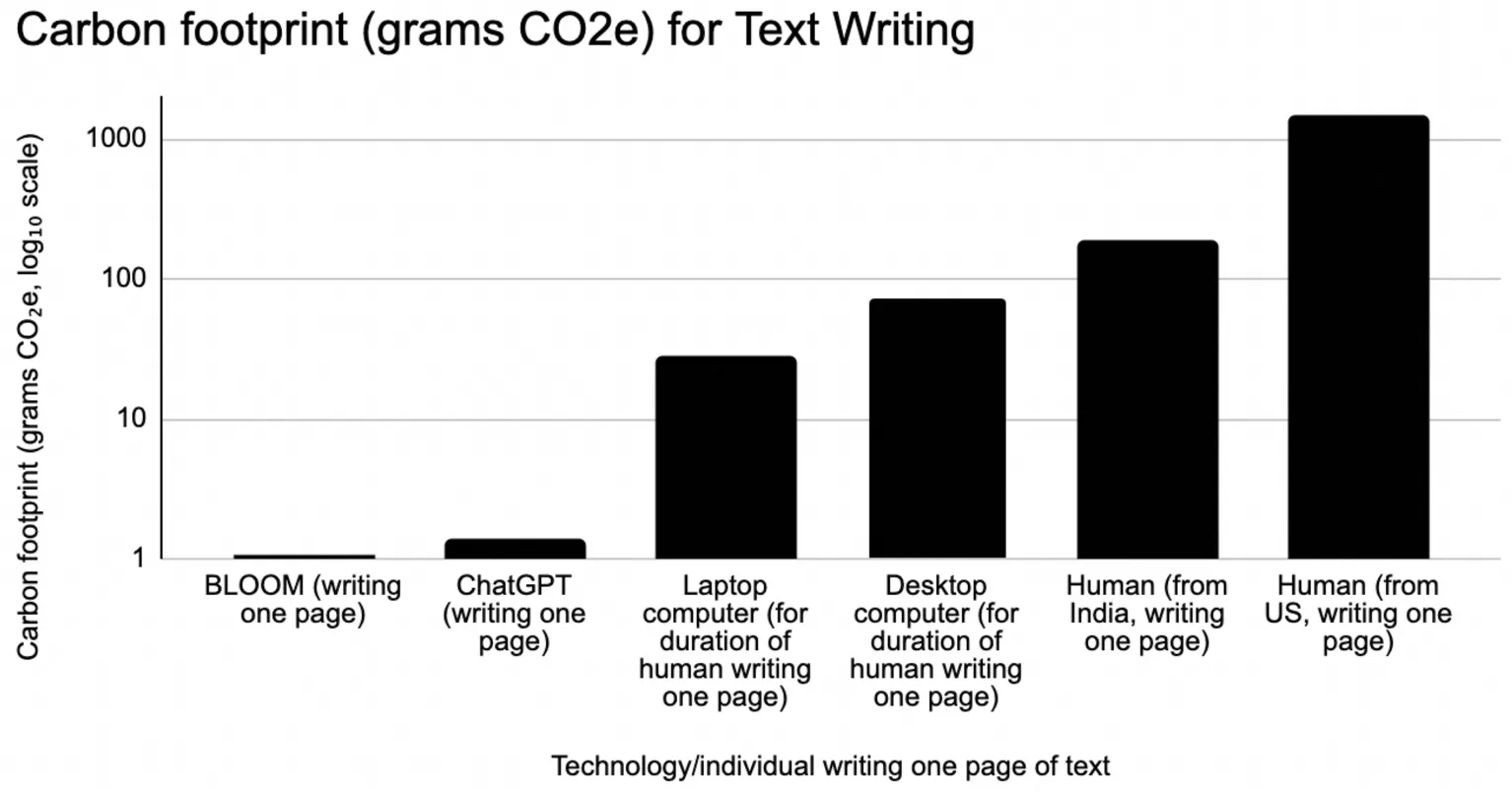
Research published in Nature demonstrates that AI systems can contribute to a significant reduction in CO2 emissions. This environmental benefit represents a crucial advancement in sustainable technology deployment.
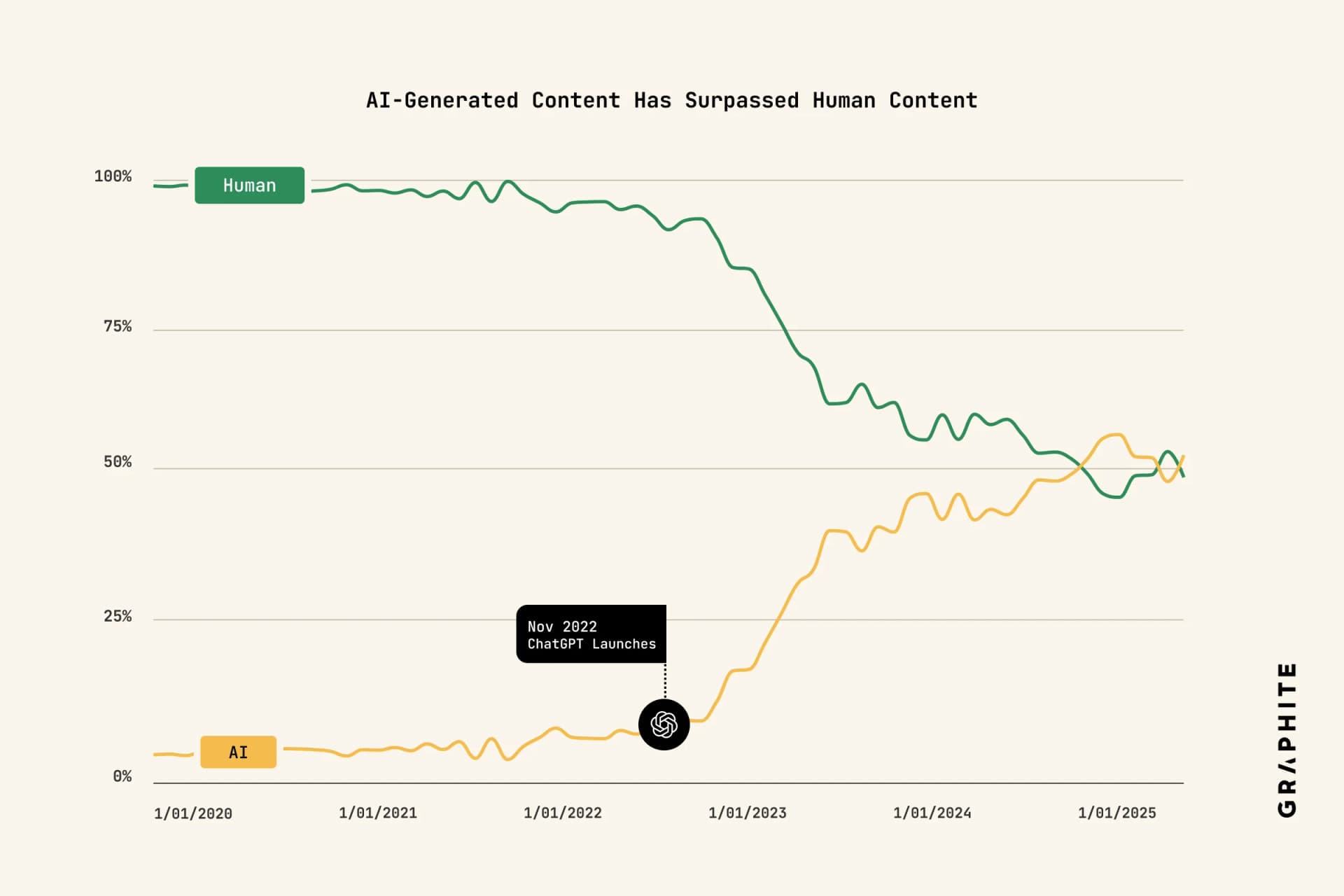
We strongly advocate for the responsible use of AI-generated content. Our tools are designed to assist researchers and writers in refining their original work, rather than replacing human creativity and critical thinking.
Advanced neural architecture optimized for LLM-generated content detection.
Accuracy
0.95
F1 Score
0.96
Backed by Research
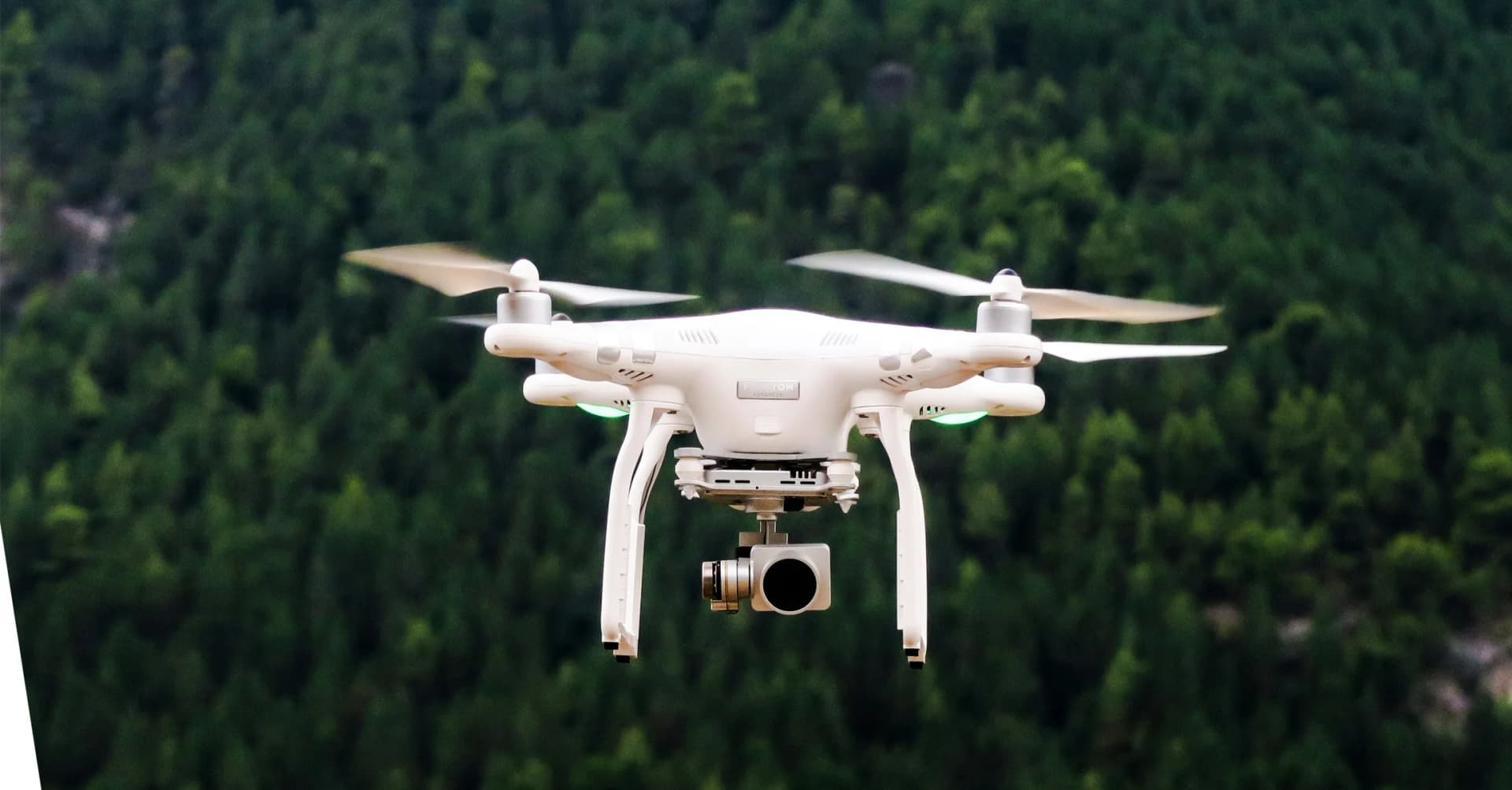
We integrate artificial intelligence with autonomous drone systems to monitor landslides, seismic activity, and terrain instability, delivering real-time insights faster and more affordably than traditional methods.
Our geotechnology capabilities include AI-powered landslide detection, continuous seismic monitoring, high-resolution 3D terrain mapping, automated risk assessment, and scalable regional monitoring networks.