
Research & applied mathematics
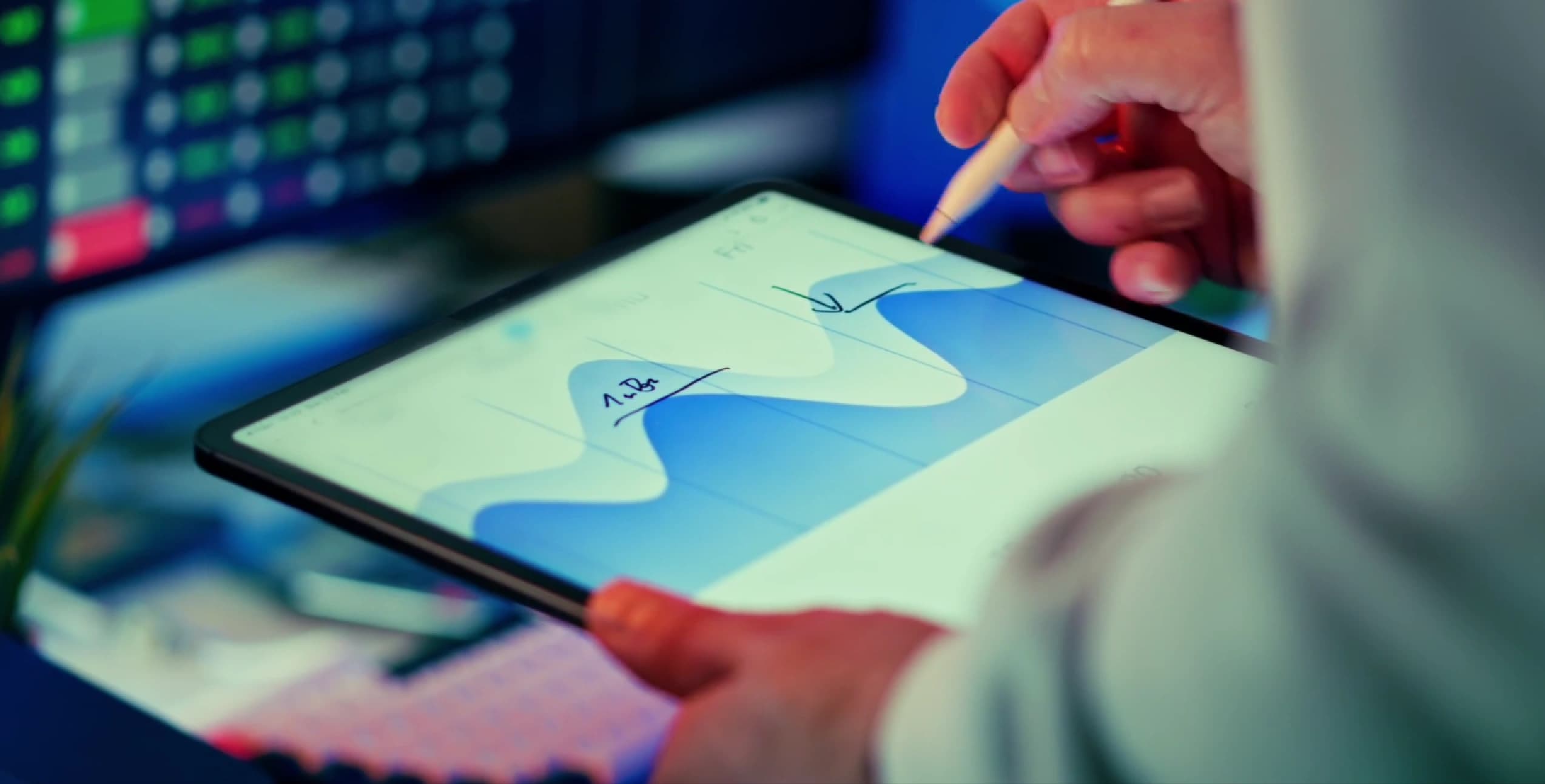
Researchers and assistant professors from SISSA bring a scientific perspective to our work: asking precise questions, building models, and testing what those models can explain.
Founded in Trieste, Italy, Collision brings together researchers and assistant professors from SISSA, industry experts, and senior software engineers. Our ambition is to build superintelligence — through scientific exploration and the systems we create along the way.
A company shaped by a city of science.
Scuola Internazionale Superiore di Studi Avanzati
Academic depth. Experience in industry.
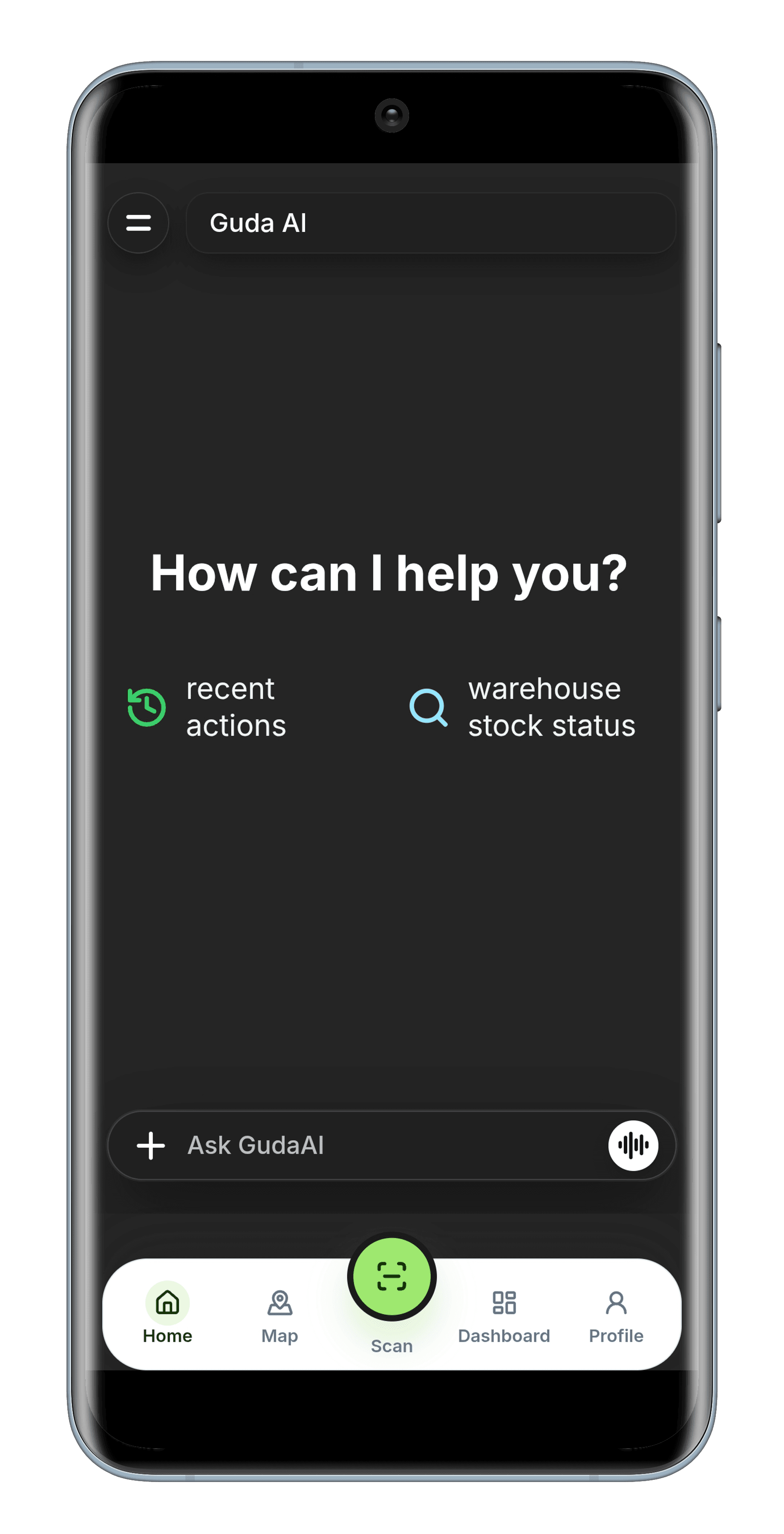
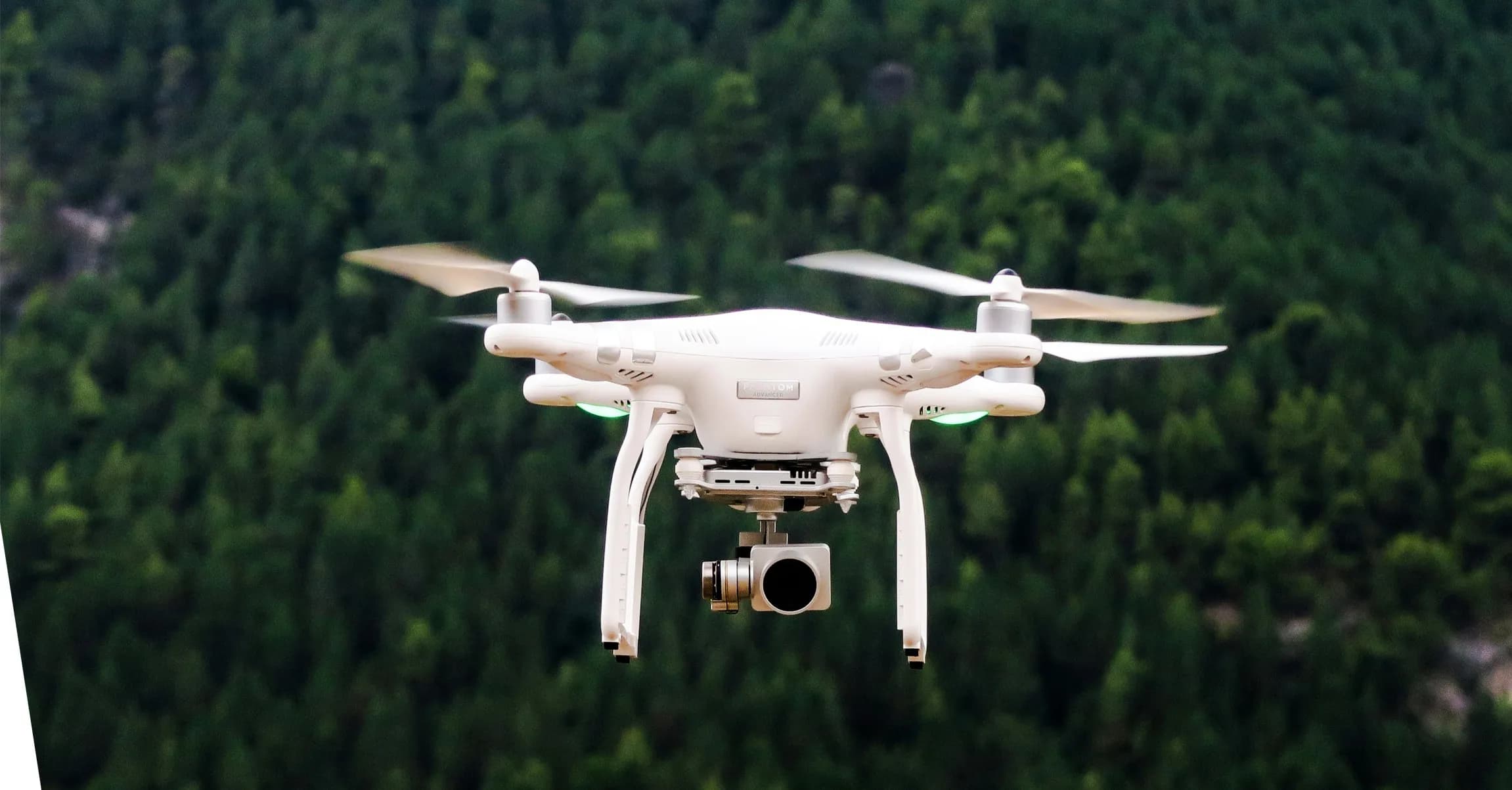
A conversation that helps a team act. A clearer picture of changing terrain. A better way to connect engineering knowledge. Our projects explore where intelligence can become useful.
Explore our projectsThe strength of Collision is the conversation between disciplines. Research informs engineering. Engineering tests research. Industry gives both a direction.
Researchers and assistant professors from SISSA bring a scientific perspective to our work: asking precise questions, building models, and testing what those models can explain.
Our senior software engineers connect research to usable systems, from model interfaces and data pipelines to reliable platforms and the details of everyday use.
Industry experts bring the questions that cannot be answered in a laboratory alone: how a system fits a workflow, what teams need, and where a useful result creates value.
Start with a question that matters, a clear objective, and the evidence available.
Represent the problem, connect the data, and explore the behaviour we want to understand.
Compare against a baseline. Study the failures. Make the limits visible.
Turn the useful results into software that people can test, use, and improve.
Tell us what you have worked on and which questions you want to explore with Collision.
Introduce yourself